Projects

Tradition in Transformation: The Cultural Landscape of Cellar Lanes

Tradition in Transformation: The Cultural Landscape of Cellar Lanes

Abstract

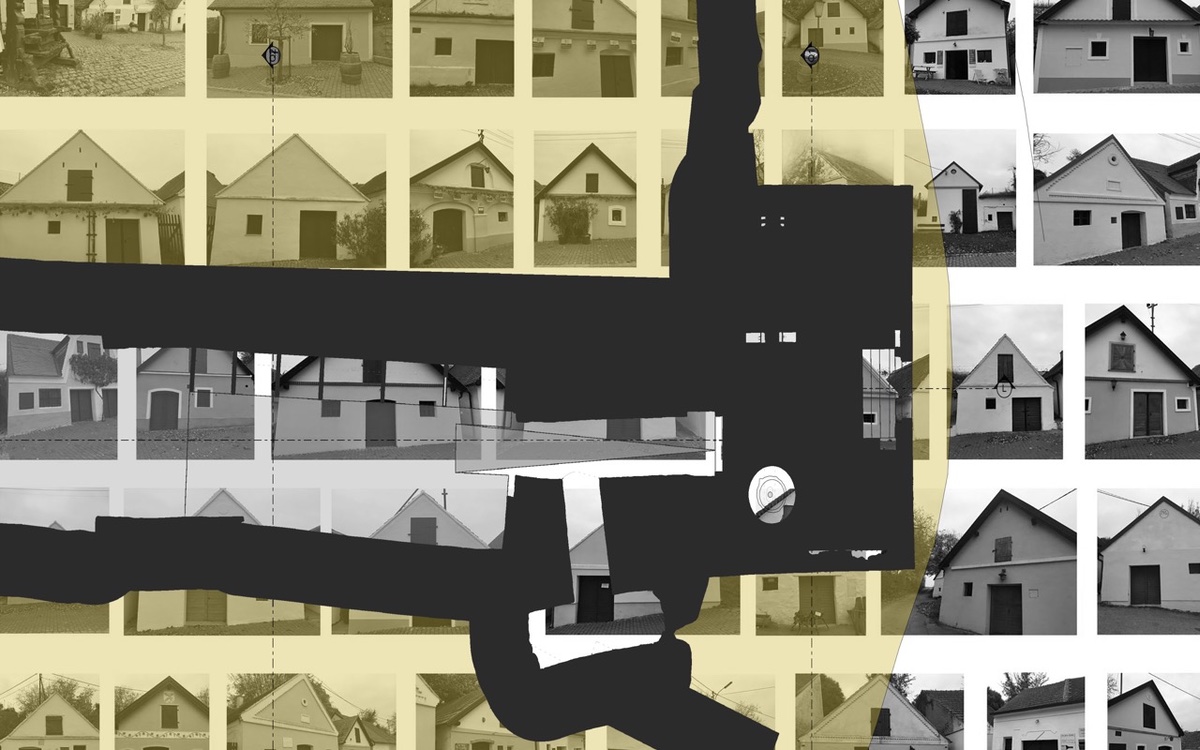
The project explores the cultural landscape of the cellar lanes, their potential for future development and the options for long-term preservation as a UNESCO World Heritage Site. Said aspects concern questions of the historical, social, cultural, ecological, economic and touristic importance of these forms of vernacular architecture as well as the technical possibilities in the area of innovative, transdisciplinary surveying methods (3D laser scanning, quadrocopter, radon measurement, soil analysis). The focus is placed on networking activities between various research disciplines as well as on direct cooperation within the framework of research-led teaching.
Read More
New Mobilities of post-traditional communities: P2P carsharing in rural and urban neighbourhoods

New Mobilities of post-traditional communities: P2P carsharing in rural and urban neighbourhoods

Abstract

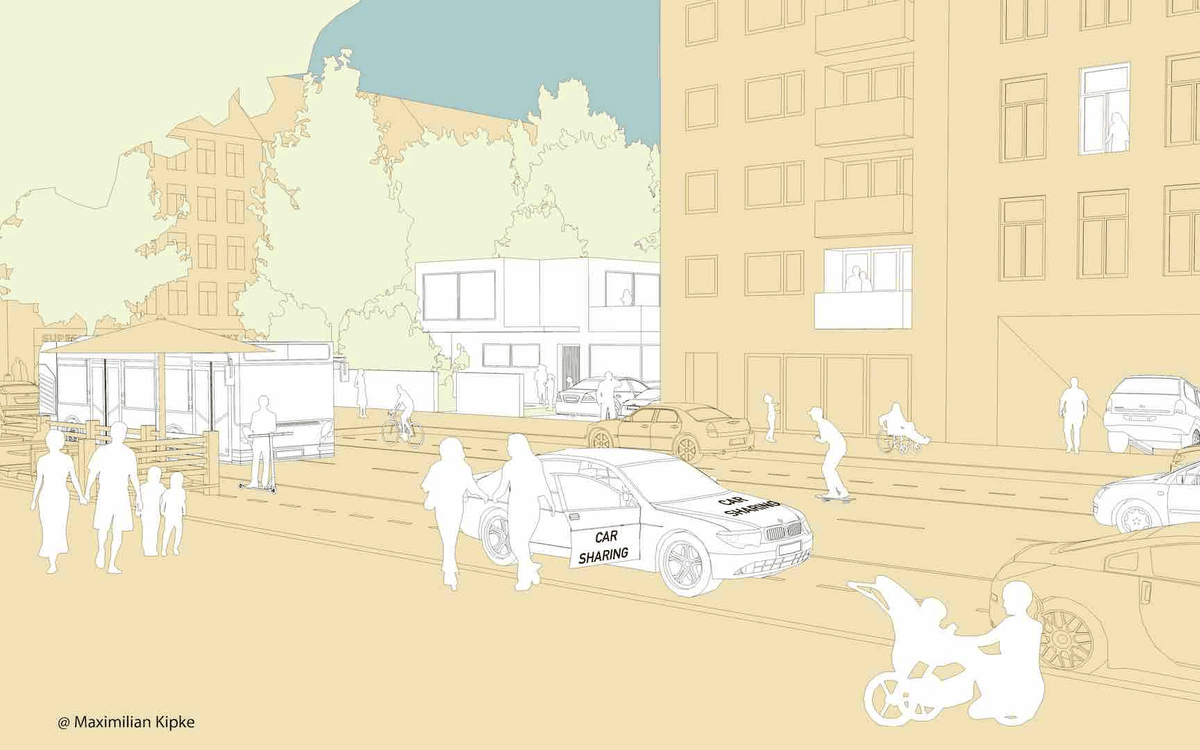
Shared mobility is considered as an important component of multimodal sustainable mobility to reduce dependency on individual car by offering users new options to fulfil their transportation needs. Carsharing in neighbourhoods might be a promising solution not only for urban areas, but also for less populated areas highly dependent on individual cars. To investigate the most important influencing factors and conditions which facilitate and boost the usage of P2P car sharing in neighbourhoods and motivate people to share their own private cars, we conduct a comparative study in Austria and results shall provide guidelines for both entrepreneurs and policy makers.

Read More
GenderFair MT

GenderFair MT

Abstract

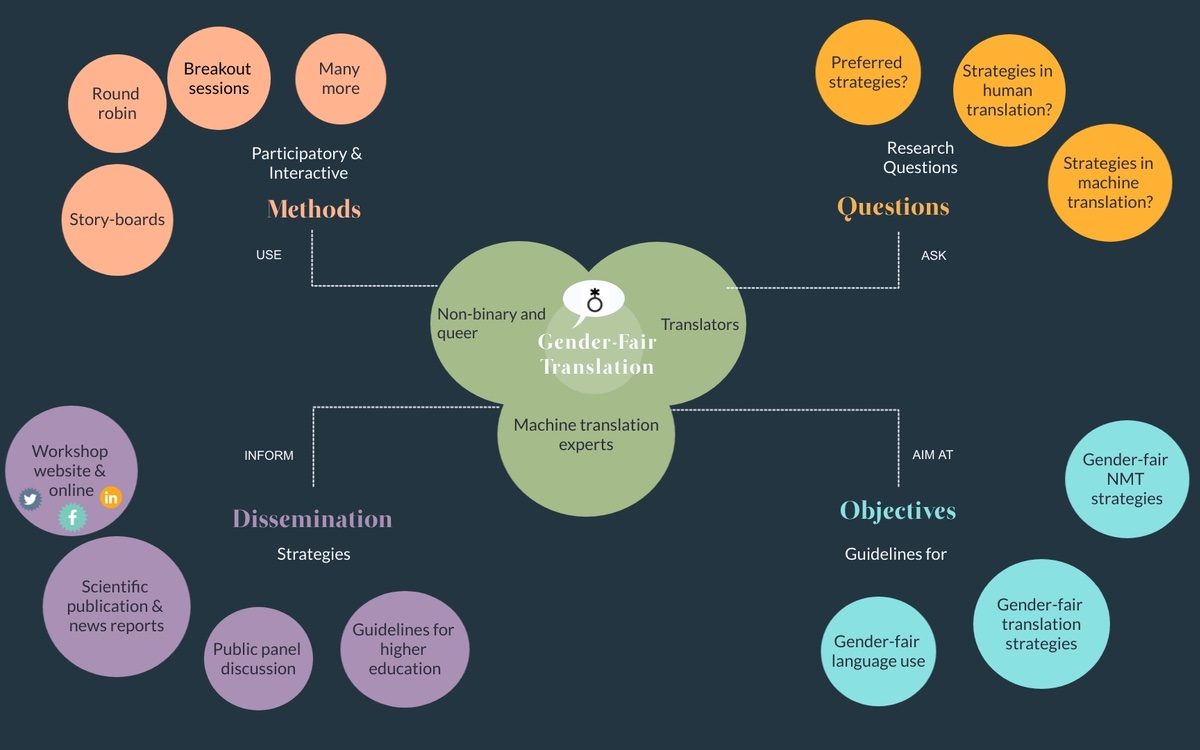
With an increased visibility of non-binary people, strategies to overcome gender bias in language beyond a binary conception (male/female) have been proposed, such as gender-inclusive (e.g. Leser:innen) and/or gender-neutral (e.g. Lesens) language. These developments raise interesting questions for language technologies, including machine translation. To address non-binary MT, we propose to organize a three-day participatory workshop to develop translation guidelines for non-binary language use with three communities: (1) members of the non-binary and queer community, (2) human translators, and (3) machine translation experts. We will not present to the participants but they will teach us and discuss the topic in several interactive formats. To finalize the workshop we will organize a public panel discussion with selected experts, at which we will also present the workshop outcomes.

Read More
muco

muco

Abstract

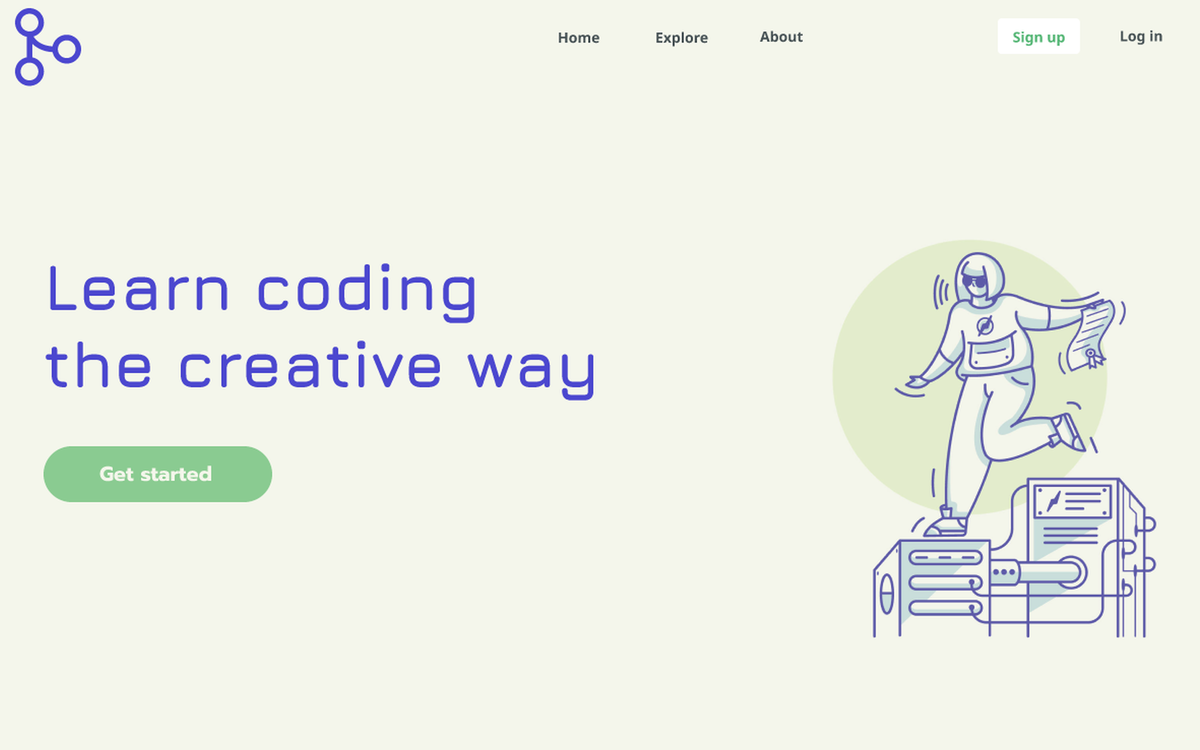
The muco project is a proof-of-concept case study in the area of STEAM eduction, which combines STEM and the Arts. The aim of muco is to conceptualize, implement and evaluate an educational music computing web application that features a gamified digital learning environment. The resulting application is intended to be used in non-formal settings for self-directed learning. The goal of the project is to make programming concepts more accessible and comprehensible to a broader public: the developed application is intended to attract more interest and attention to the field of computer science, and furthermore contribute in the process of computational empowerment. By introducing an analytical approach to music and music composition, another goal of the project is to simultaneously spark interest in music and music making.

Read More