Projects

Bias in Automated Driving Systems (BADS)

Bias in Automated Driving Systems (BADS)

Abstract

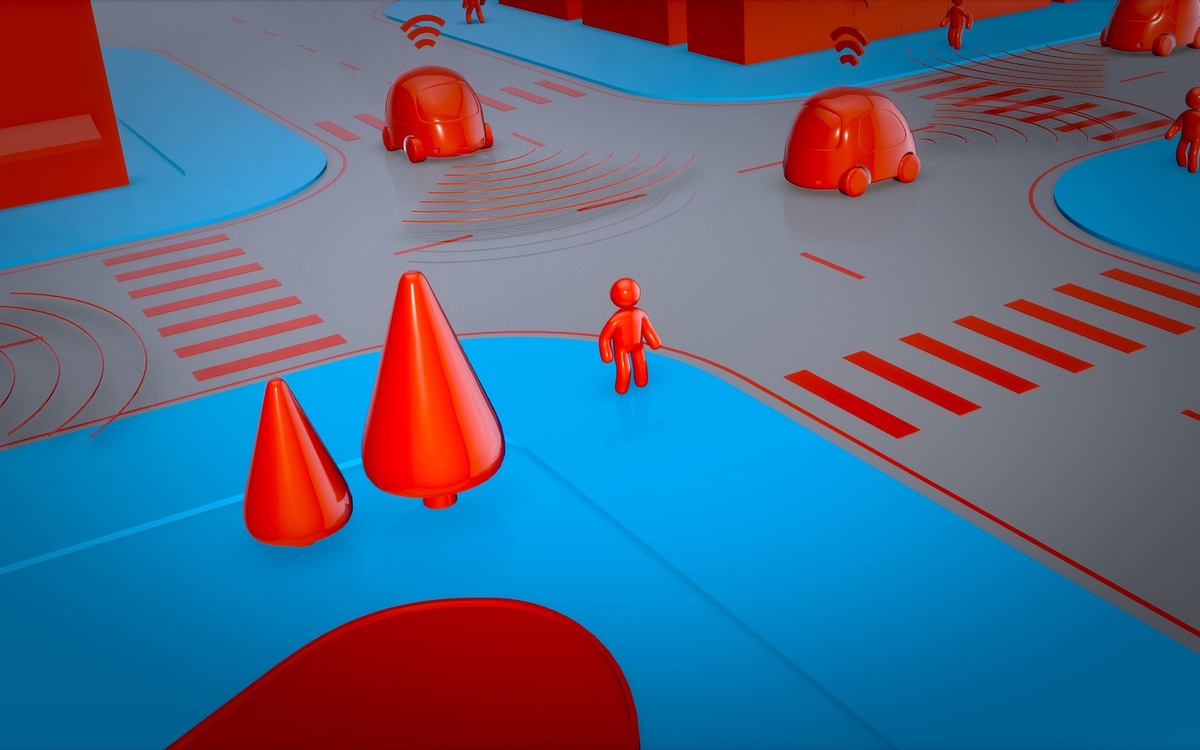
Automated Driving Systems do about 100% more kilometers in simulation than in physical space. This raises questions about the quality of data sets and data records shaping the abilities of these driving systems. Currently there are about 40 accessible public data sets, which have already been briefly analyzed by the project researchers. This project aims at a systematic evaluation of this material at this early stage of technological development.

Read More
BioNoWo

BioNoWo

Abstract

Collection and circulation schemes in the context of the automobile industry, the area of Europallets, reusable bottles and rental linen (textiles for hotels) are being analyzed and compared.

The requirements for packaging various goods (regional vs. transcontinental, large / unwieldy vs. small, perishable vs. long-lived, etc.) are being collected. Further research probes the potential use of fleeces to protect products in transit with minimal space requirements.

Read More
Patient Documentation

Patient Documentation

Abstract

The projects aims at multiple users with different needs and concerns (nurses vs. doctors vs. patients vs. families, etc.). The project aims to determine what role patient documentation takes and how it differs depending on stakeholder involvement. It designs alternative ways to provide access to information and documentation for every person in need of recent data.

Read More
Participation and Visibility in Hybrid Realities

Participation and Visibility in Hybrid Realities

Abstract

This transdisciplinary project explores how socio-technical realities are negotiated and (re)produced in digitally augmented public spaces.

Starting from questions of social participation and visibility, we design digital interventions in transient physical spaces that allow participants to explore both “layers” of data in terms of digital realities, as well as their mutual relations through them. In selected compartments of commuter trains, changing social groups of participants have the opportunity to interact through projections and use an augmented reality app to explore and negotiate with each other those data that describe train passengers in their interconnectedness with technology and the passing environment. In the context of critical design interventions, novel hybrid “agoras” emerge that trigger processes of negotiation and critical reflection on the role of humans within those socio-technological entanglements that establish order and normalize social power relations.

Read More