On 10 March 2026, the first Vienna MINT Stakeholder Forum took place in the Volkshalle of Vienna City Hall. With around 220 participants, the event offered a comprehensive overview of the wide range of actors, programmes and initiatives working towards a strong MINT education landscape in Vienna.
The Center for Technology-driven Social Innovation (CTSi) was actively represented through the contribution of Hilda Tellioğlu, who significantly shaped the forum with her keynote.
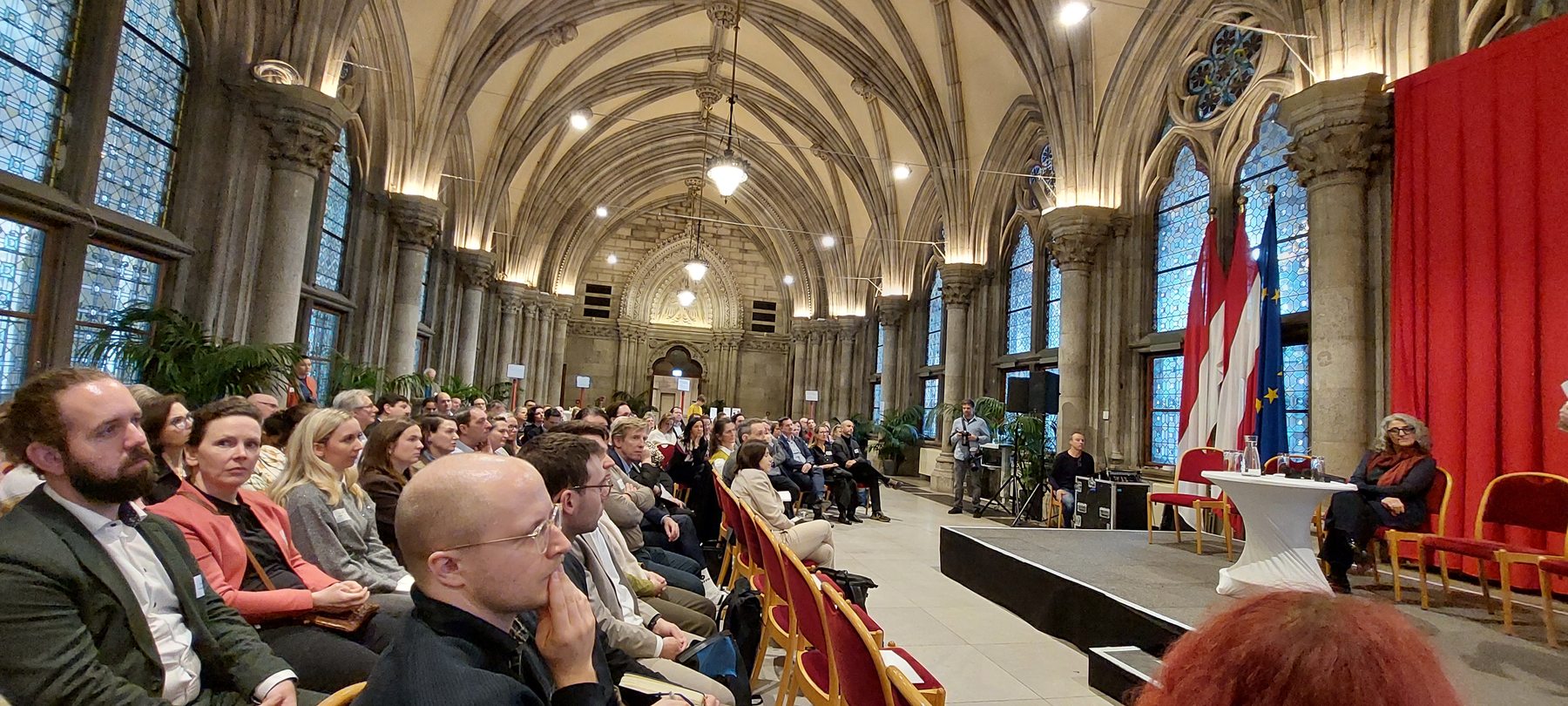
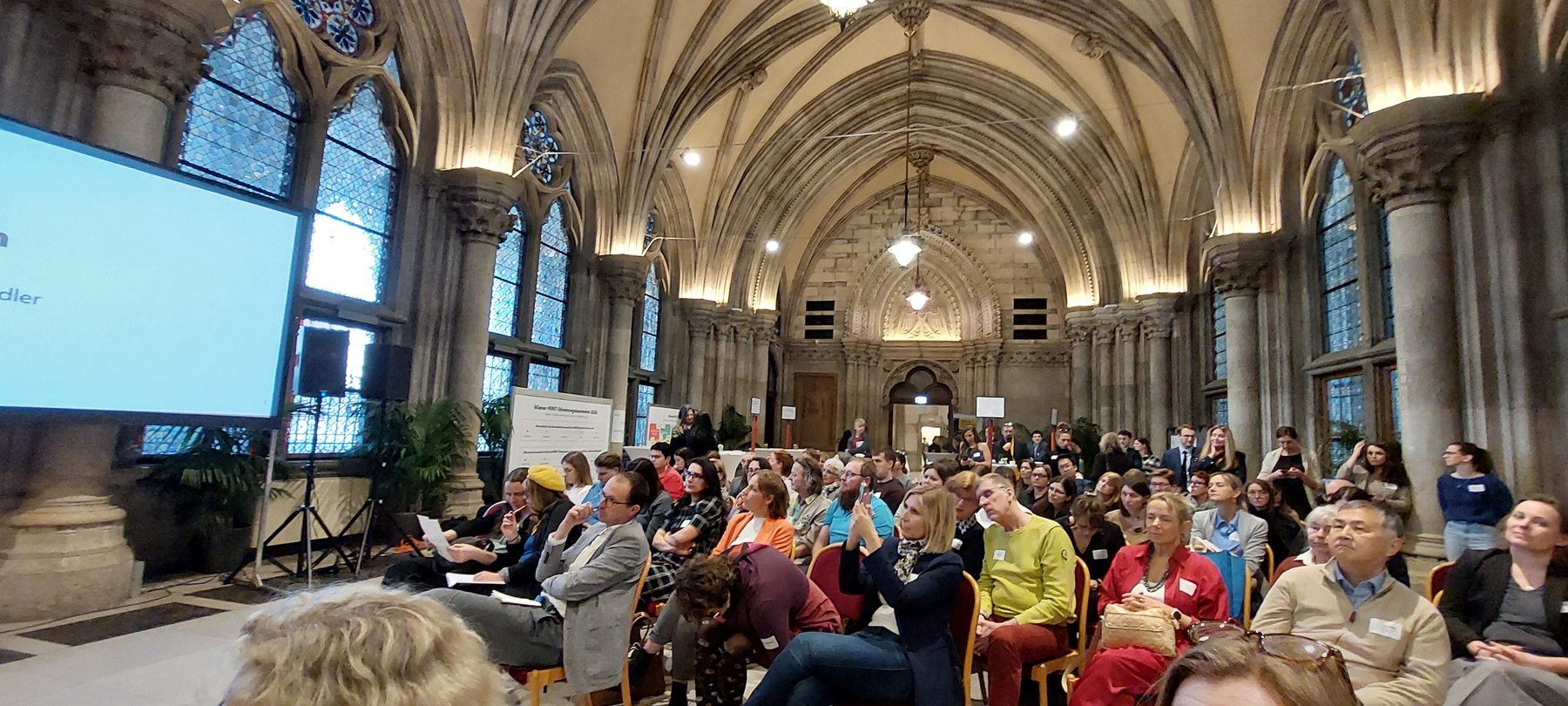
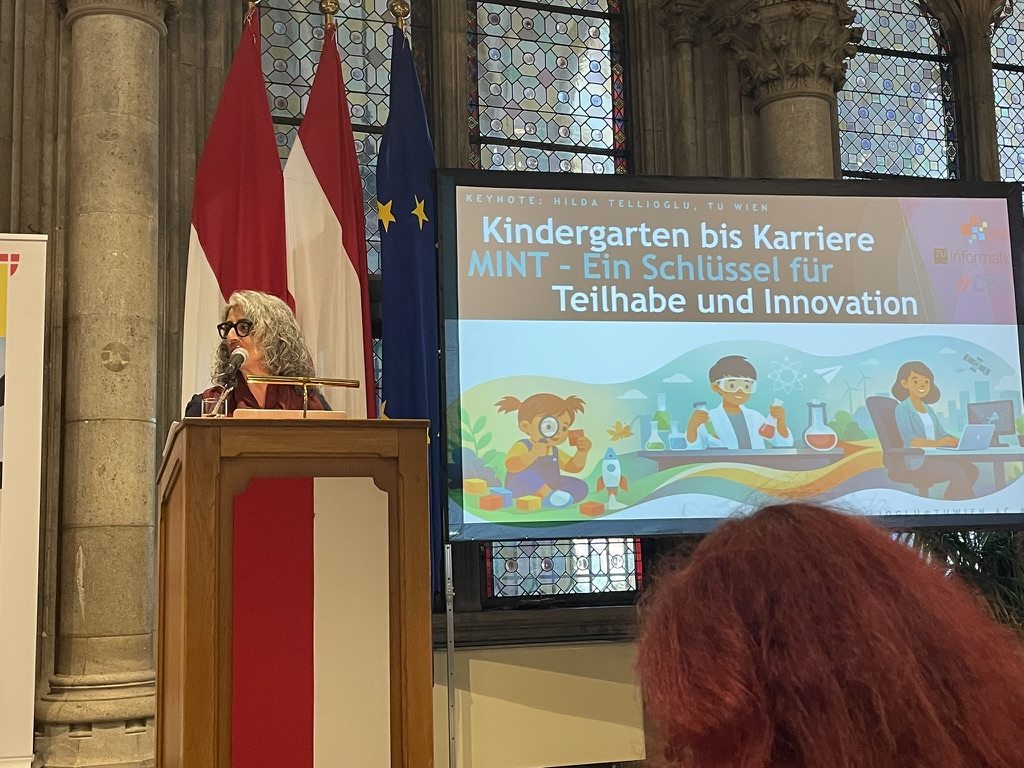
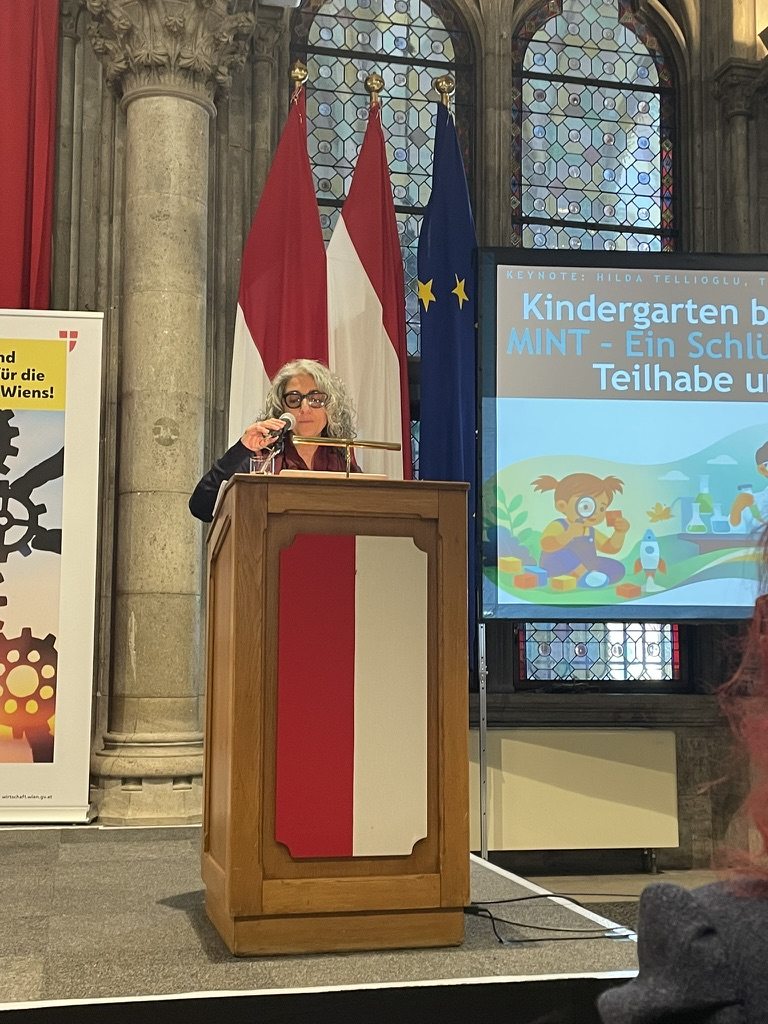
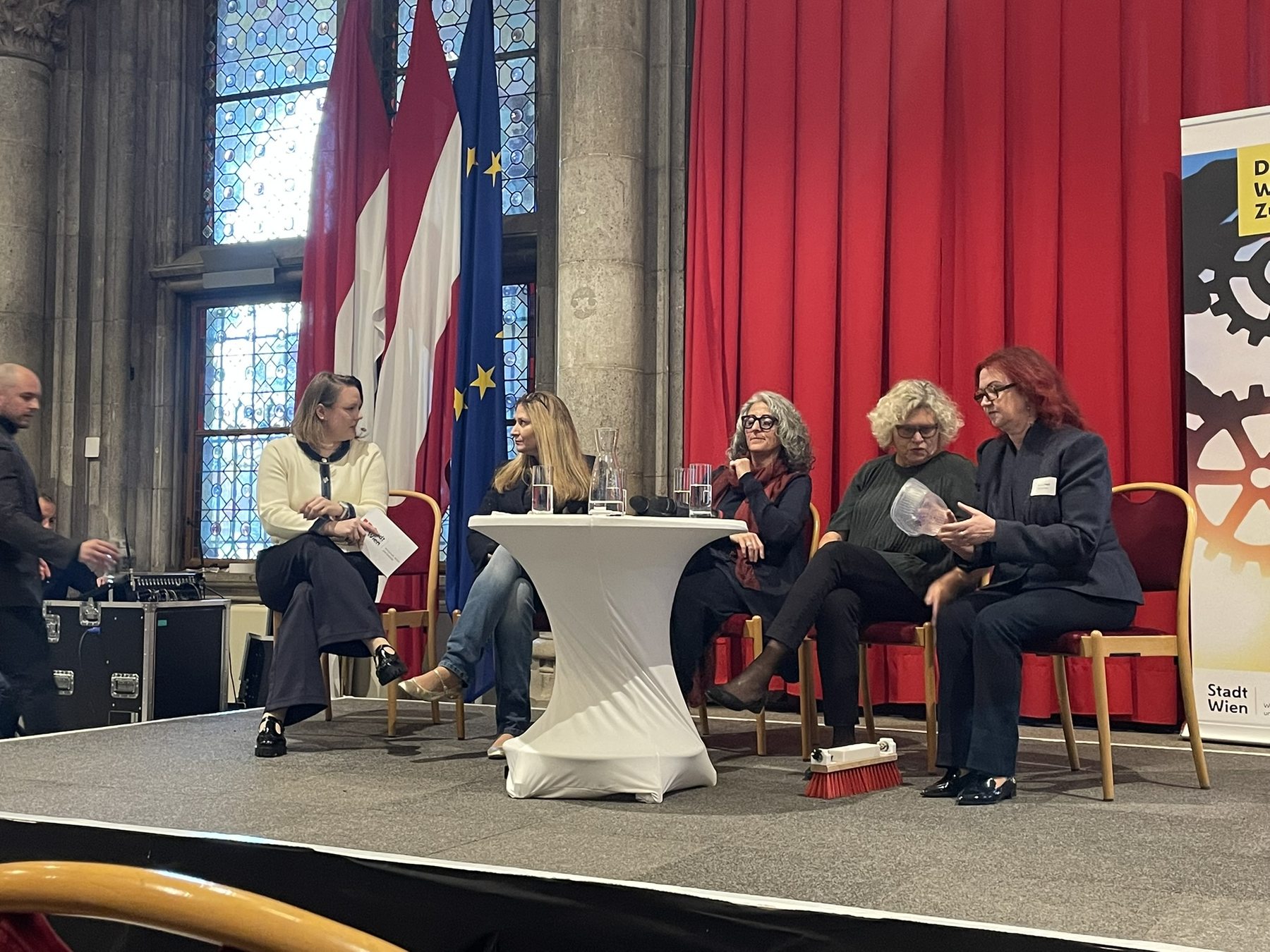
In her keynote “From Kindergarten to Career – STEM as a Key to Participation and Innovation”, Hilda Tellioğlu highlighted the central challenges and opportunities of Austria’s STEM landscape. She emphasised that STEM competences are far more than school-related learning content: they equally influence individual opportunities, social participation and economic innovative capacity. She pointed to clear indicators such as the shortage of STEM professionals, the growing demand for STEM skills in the labour market and the importance of early educational impulses at kindergarten age. She also placed particular emphasis on the concept of educational continuity, meaning the systematic support of learners across all educational transitions. Breaks between kindergarten, school, higher education and work, she noted, are one of the main reasons why talent is lost.
Her appeal therefore was: “No child should be lost due to poorly coordinated educational transitions. STEM education is not a niche topic, it is the foundation!”
In doing so, Tellioğlu also underlined the strategic orientation of the CTSi, which is dedicated to developing technology-driven solutions for societal challenges, including the design of inclusive and accessible STEM learning environments.
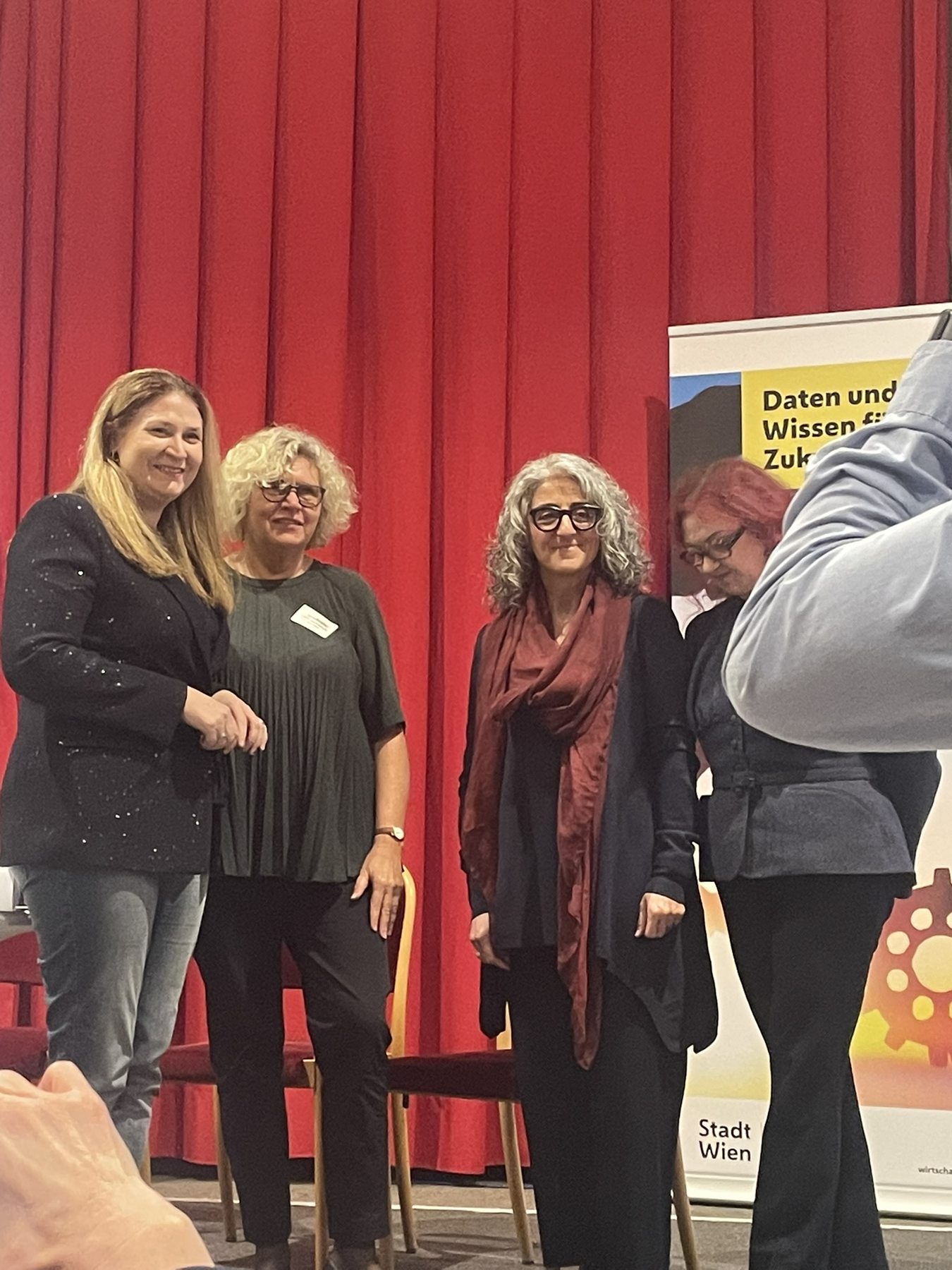
Following the keynote, Hilda Tellioğlu joined City Councillor for Economic Affairs Barbara Novak, STEM Commissioner Sabine Seidler and Gerlinde Heil (Science Pool) in a panel discussion. From the CTSi perspective, she stressed the importance of cooperation, systemic coordination and interdisciplinary perspectives for a functioning STEM ecosystem — an approach that is also reflected in several CTSi projects. The discussion made clear that STEM education in Vienna can only be sustainably effective if politics, academia, schools, industry and civil society share responsibility.
After the panel discussion, eight thematic tables explored central challenges and potential solutions in STEM education. The range of topics covered everything from STEM in early childhood education and career guidance to collaboration between formal and non-formal learning environments.
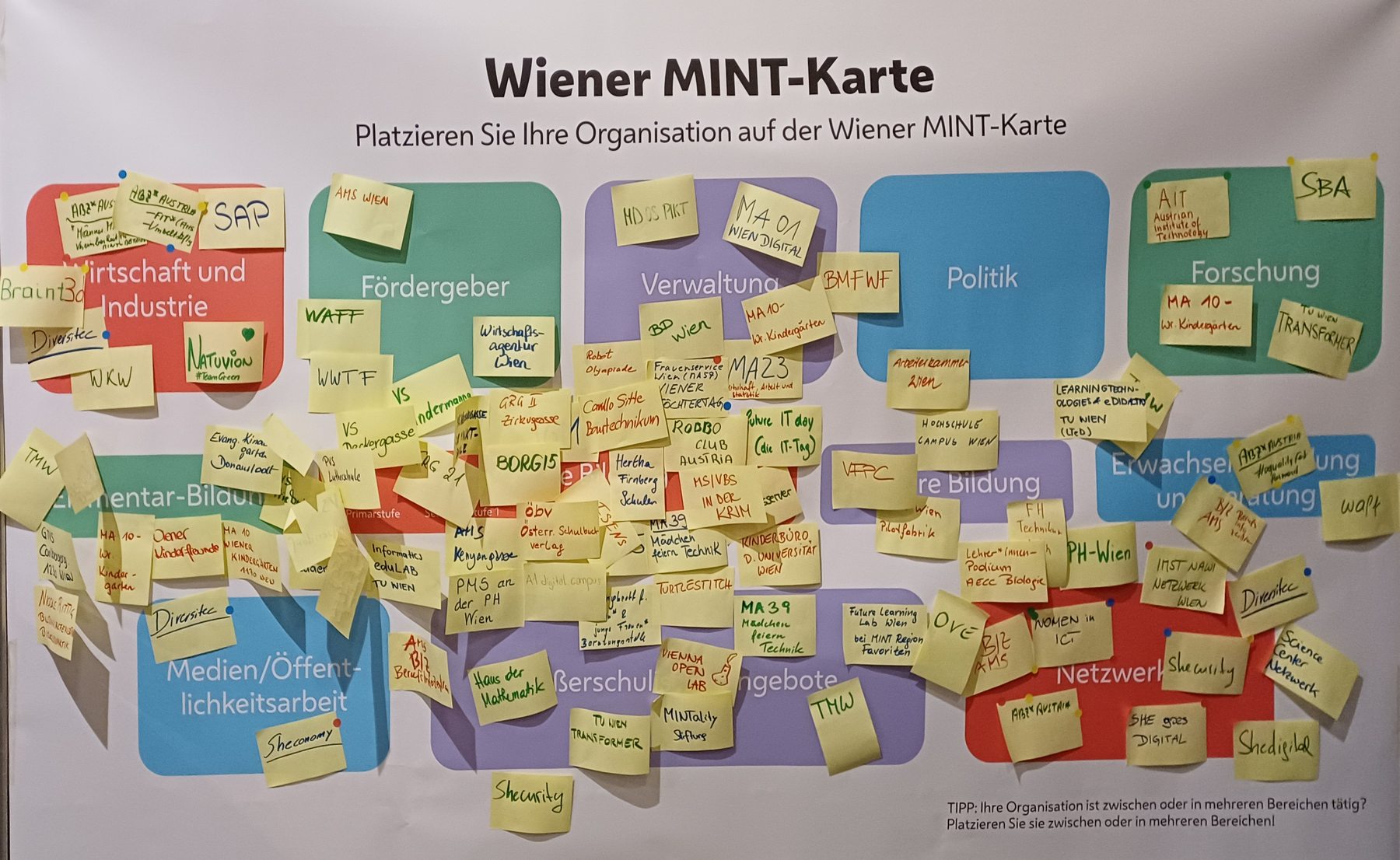
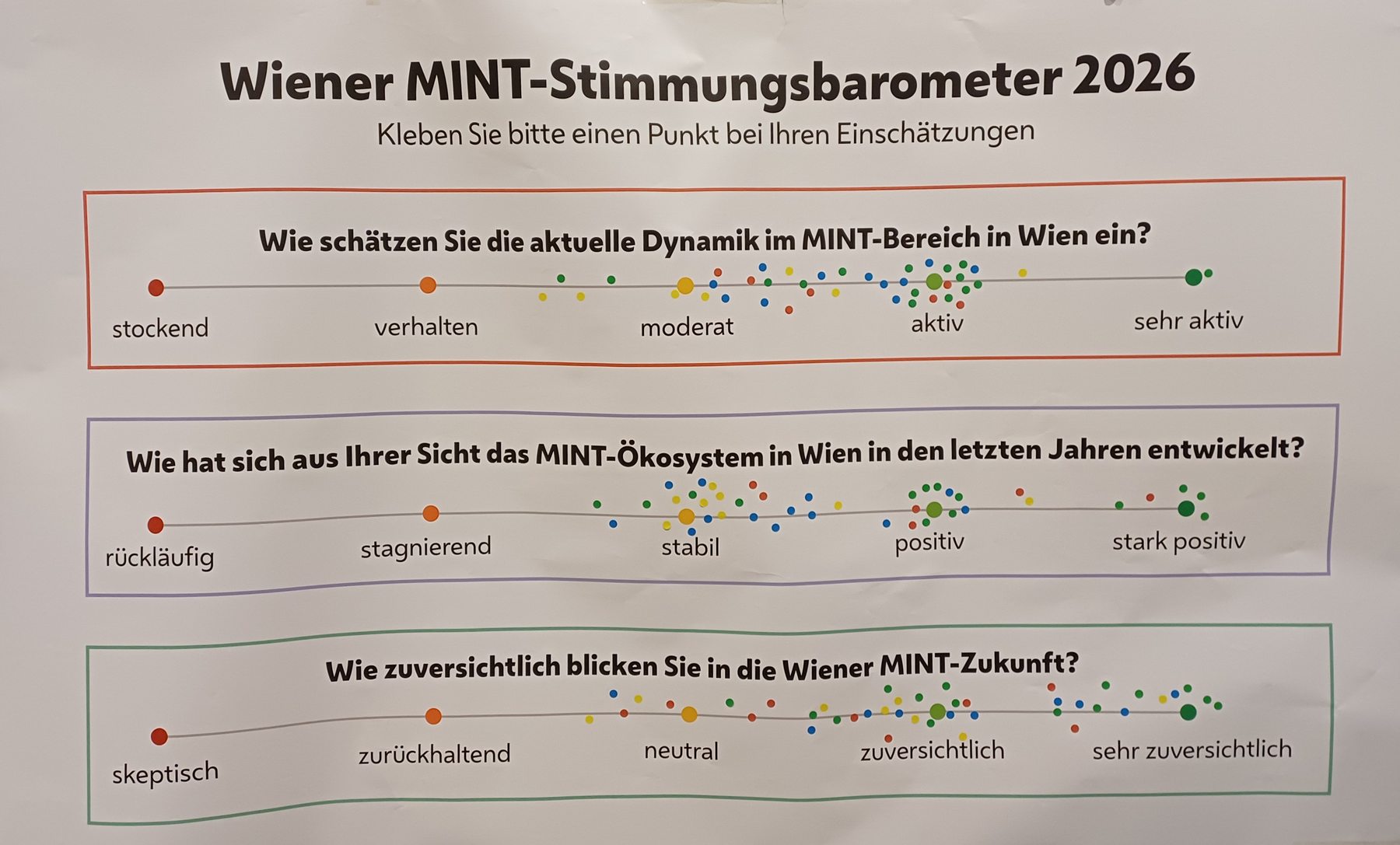
The Vienna MINT Stakeholder Forum 2026 demonstrated the strong commitment across Vienna to advancing MINT (STEM) education through collaboration. Through her keynote and active participation in the event, Hilda Tellioğlu enabled the CTSi to contribute valuable expertise in educational technologies, MINT didactics, and socially impactful technological innovation. At the same time, the forum highlighted the importance of the continuous exchange of knowledge, methods, and experiences among academia, educational institutions, policymakers, industry, and civil society in order to develop sustainable solutions to societal challenges.
We look forward to continuing the discussions initiated at the forum and to working together with our Vienna-based partners towards a future-oriented, seamless, and inclusive MINT education landscape. In doing so, the CTSi contributes to TU Wien’s strategic goal to act as a leading institution for the exchange of knowledge, methods and technologies by strengthening networking and collaboration across institutional boundaries and by fostering the transfer of knowledge and innovative approaches into practice. By promoting MINT competencies throughout the entire educational pathway, the initiative also creates long-term societal impact, improving opportunities for participation for future generations while sustainably strengthening the region’s capacity for innovation.
Header image: © CTSi 2026