How can AI systems be developed in ways that meaningfully support people in their everyday lives without compromising their autonomy, decision-making capacity, or participation in society? This question brought together international researchers, practitioners, and decision-makers at the IFIP HCC17 – Human Choice and Computers Conference 2026 in Vienna. Under the theme “Combined Intelligence: Human-AI Systems in Everyday Contexts,” participants explored current research findings and future perspectives on the human-centered design of digital technologies.
As a co-host of the conference, the Center for Technology-driven Social Innovation (CTSi) at TU Wien contributed to the organization and overall direction of the event. Together with the IFIP Technical Committee 9 (ICT and Society) and the Austrian Computer Society (OCG), an international forum was created that brought experts from academia and practice to Vienna. The conference enabled interdisciplinary exchange across computer science, social and legal sciences, human-computer interaction, as well as innovation and sustainability research.
Conference themes
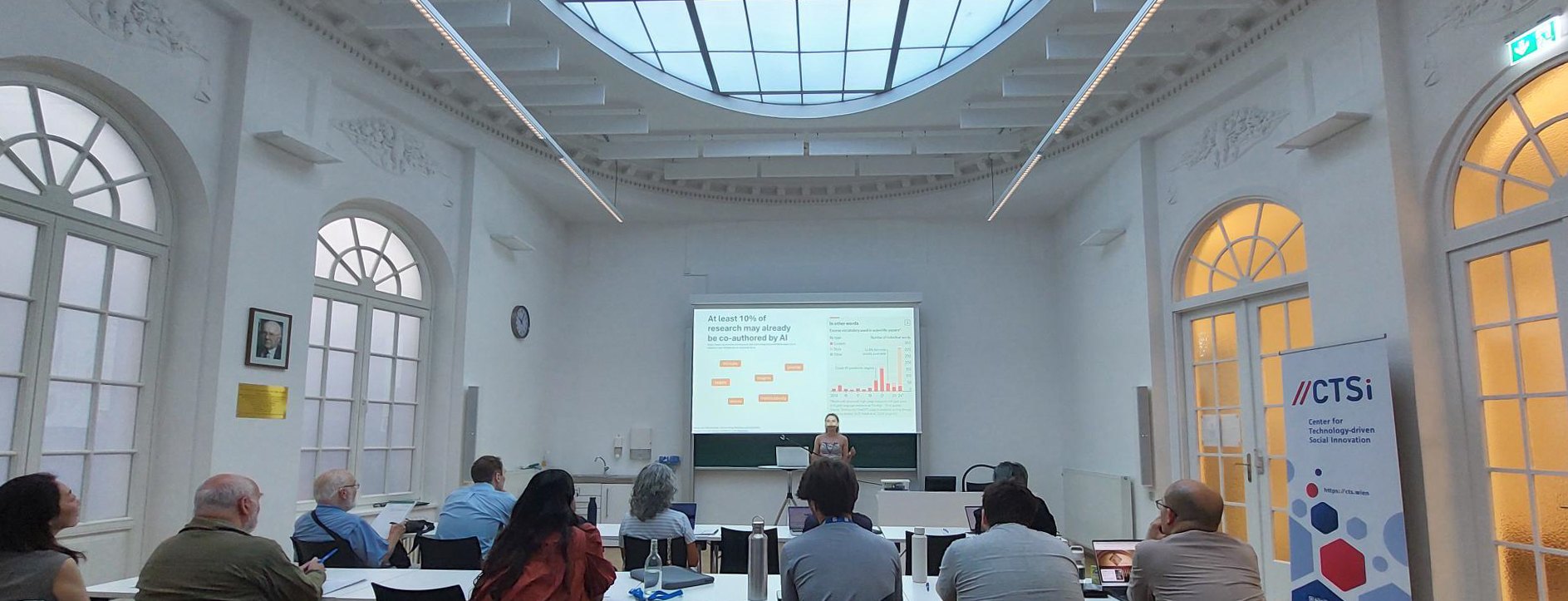
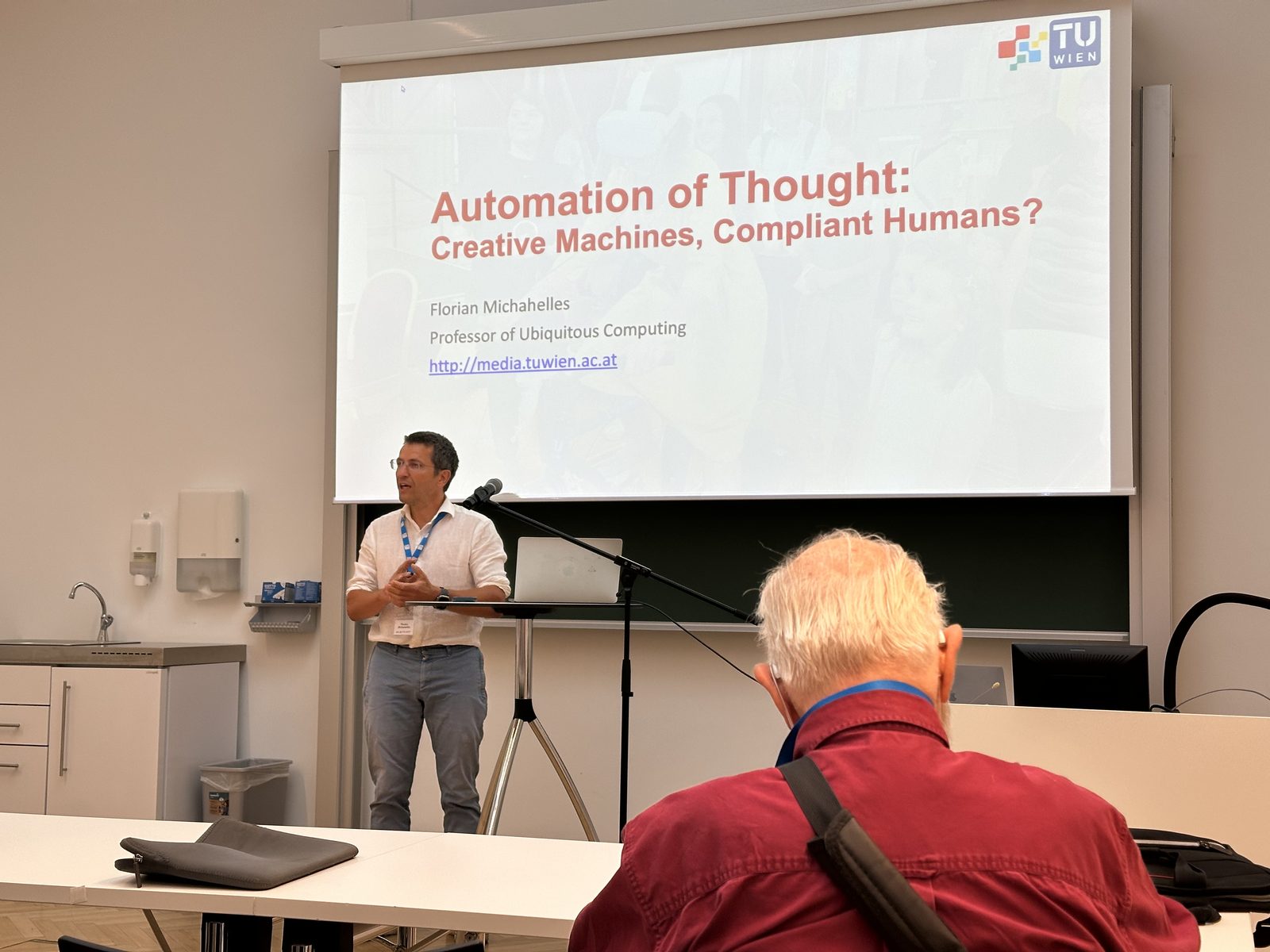
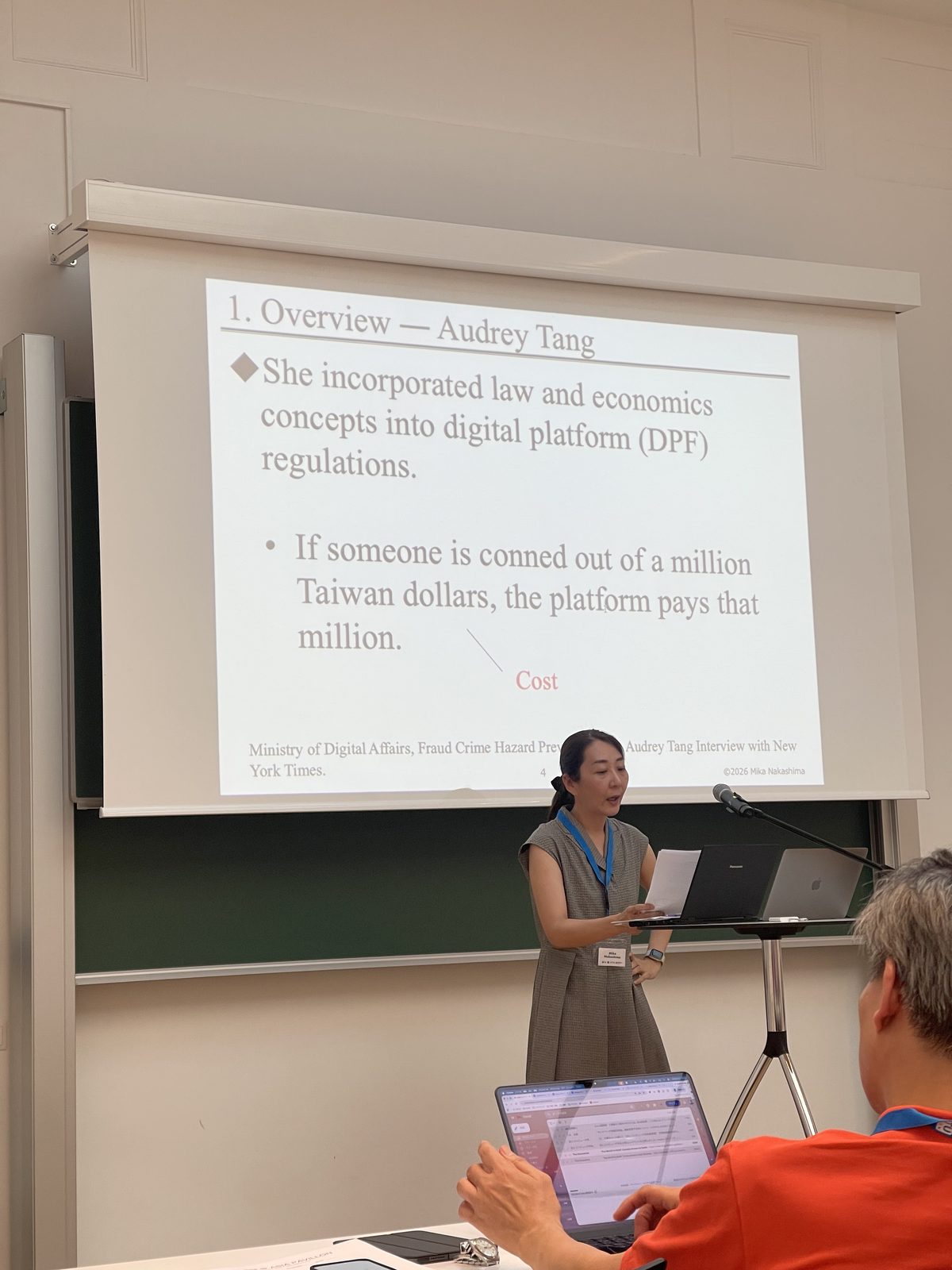
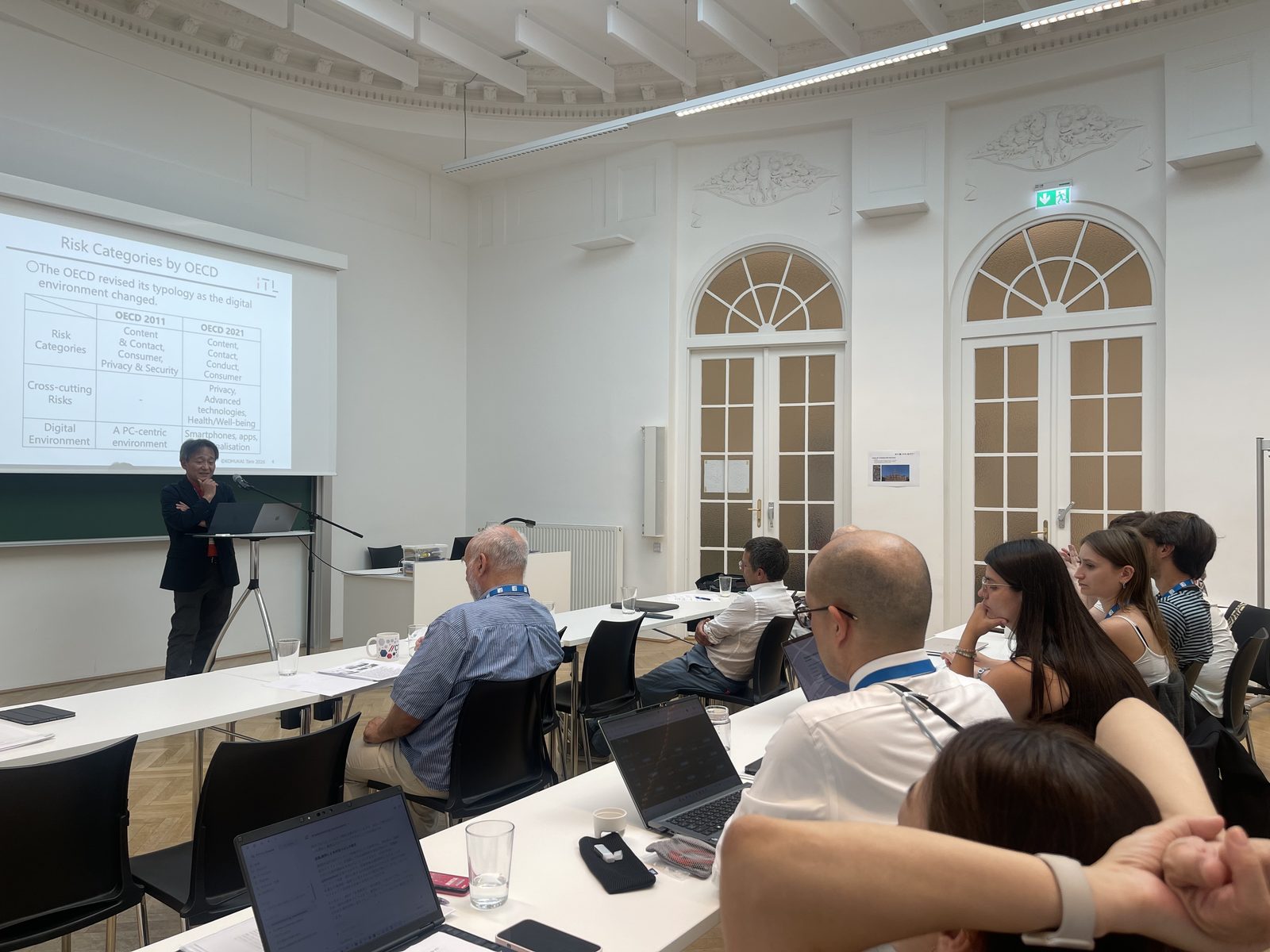
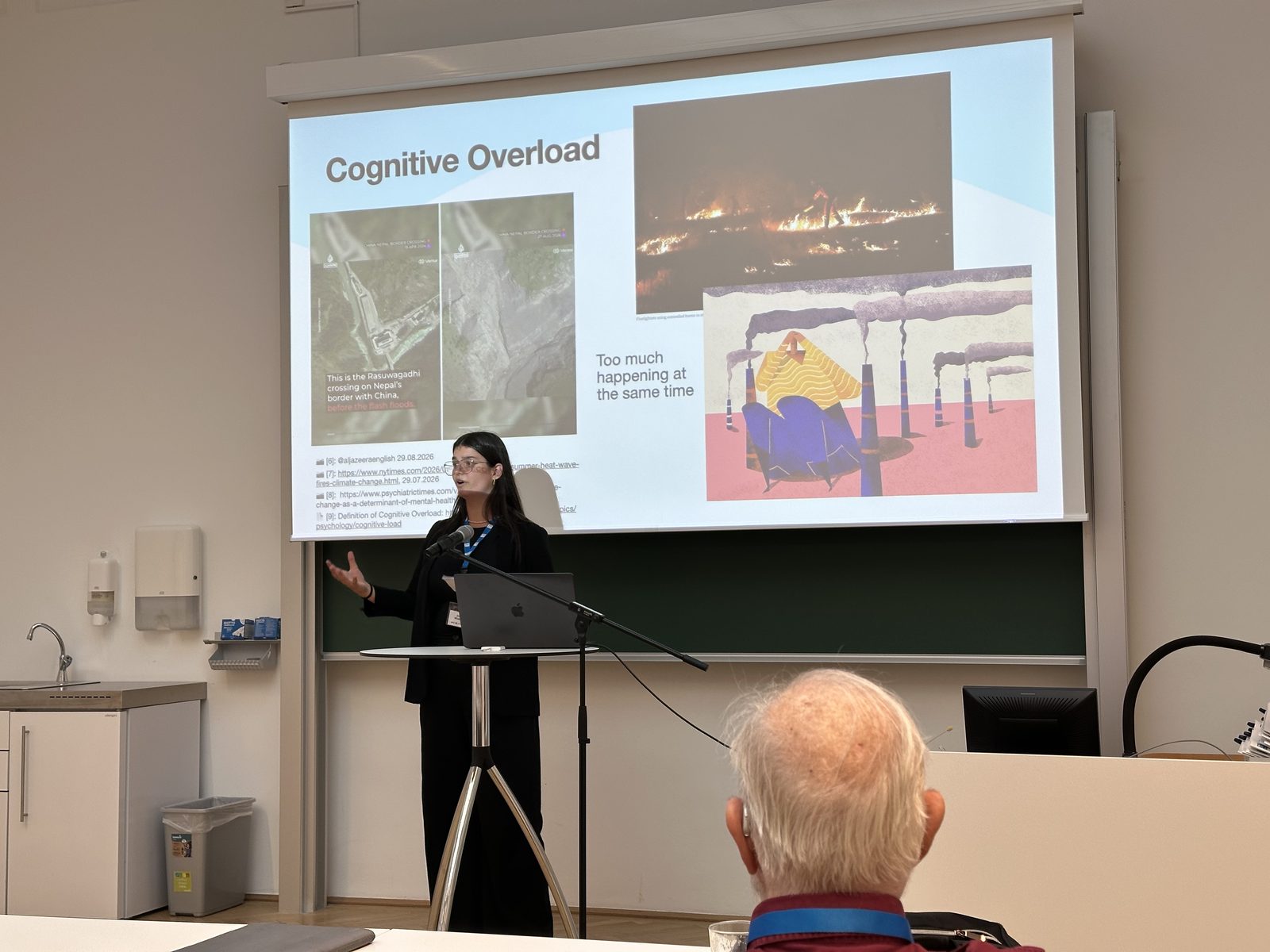
The presented contributions demonstrated that discussions around artificial intelligence have long moved beyond purely technical questions. Central topics included trust in digital systems, AI transparency and explainability, data protection, responsible automation, and the impact of AI on education, work, and democratic processes.
Several contributions focused on how AI systems can be designed to actively support human decision-making. Among the approaches discussed were interaction concepts that encourage users to engage in reflection rather than merely reinforcing existing beliefs. In this context, the role of AI as a supportive partner in decision-making and learning processes was critically examined.
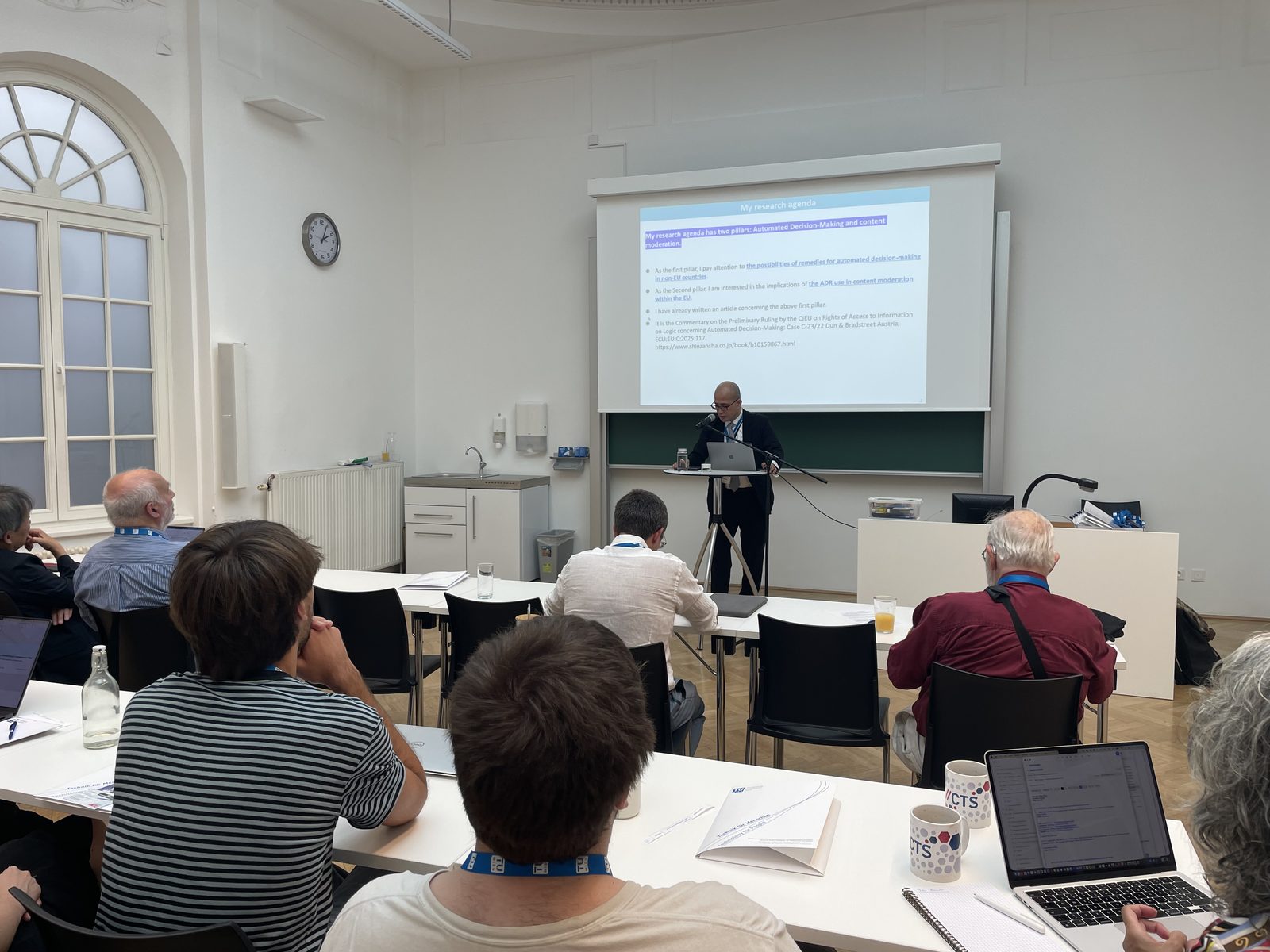
The themes of trust and digital sovereignty also emerged as recurring topics throughout the conference. Contributions addressed perceptions of trustworthiness in digital systems, the management of automated decision-making, and the regulation of platforms and AI applications from an international perspective. Questions related to youth and consumer protection, platform responsibility, and the transparency of AI-generated content highlighted the broader societal dimensions of technological development.
Another major focus was the impact of generative AI on education and research. Presentations explored the responsible use of large language models in academic writing, new forms of AI-supported learning, and issues related to scientific integrity and transparency. Beyond these topics, participants discussed societal applications of AI in areas such as climate action, agriculture, and the fight against misinformation on social media. Altogether, the contributions illustrated that technological innovation and societal responsibility must be considered together in order to create sustainable and trustworthy solutions.
What the conference means for the CTSi and TU Wien
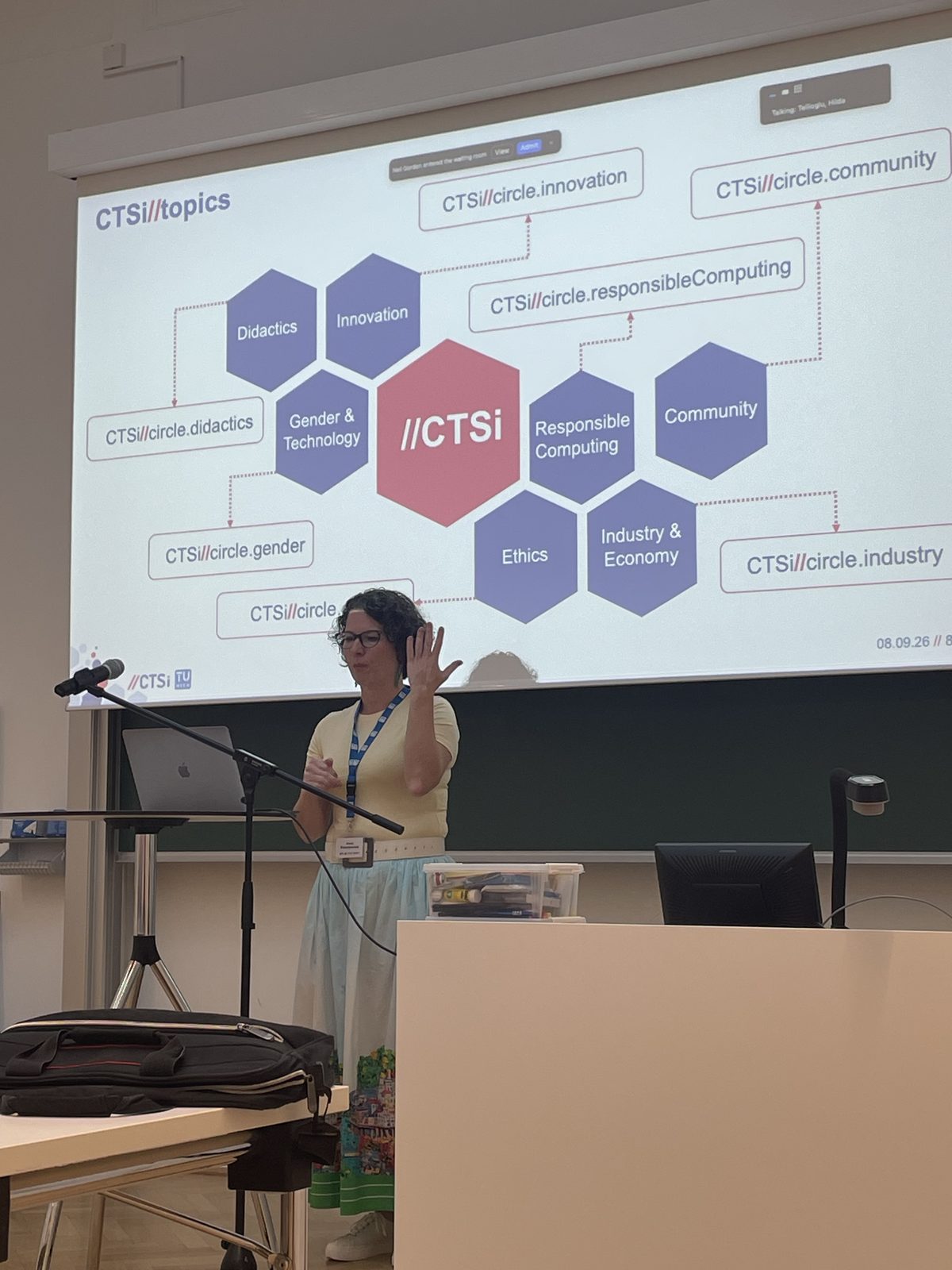
By co-hosting the conference, the Center for Technology-driven Social Innovation (CTSi) reaffirmed its role as a platform for interdisciplinary research and socially responsible technology development. The topics discussed reflected key questions that guide CTSi’s activities: How can digital technologies empower people? How can innovation be aligned with societal benefit?
At the same time, IFIP HCC17 was closely connected to several strategic objectives of TU Wien. The conference strengthened international visibility and scientific networking, contributing to the university’s goal of further expanding its global presence. The strong connection between cutting-edge research topics and societal challenges underscored the university’s commitment to translating scientific knowledge into societal impact. Finally, the conference demonstrated how interdisciplinary collaboration and the exchange of knowledge, methods, and technologies can open new perspectives for research, innovation, and societal progress.


Header image: © CTSi 2026 · AI-generated