We rely on feeling protected when we use a technology. Whether we actually are is another question. In the next Science Insight of CTSi//circle.responsibleComputing, Rafael Vrecar shows when and why the two come apart.
- When
- Monday, 16:00–17:00 CET
- Where
- Online via Zoom
- Language
- German
- Admission
- Free, no registration
Feeling protected is not being protected
Technical security can be measured, certified and compared. How protected people feel when they use a technology cannot, at least not easily. Still, people act on that feeling: they avoid password managers because "all my passwords in one place" seems risky, and they trust an email because it looks official.
In everyday life, people hardly separate security, safety, and privacy. "I don't feel safe" can mean any of them. I therefore use the term perceived protection for all three: how protected a person feels, whichever aspect is technically at stake.
- Security
- Safety
- Privacy
What the talk covers
- When feeling and reality come apartWhen and why perceived and actual protection come apart and what role technologies, personal traits, and context play in this, from AI assistants to cookie banners.
- What studies show and how to measure itResults from my own studies and the instruments we are developing to measure perceived protection.
- What generative AI changesIt makes deception cheap, and increasingly it is also meant to decide for us what we share. Both change the question of what our sense of protection can still rely on.
About the speaker
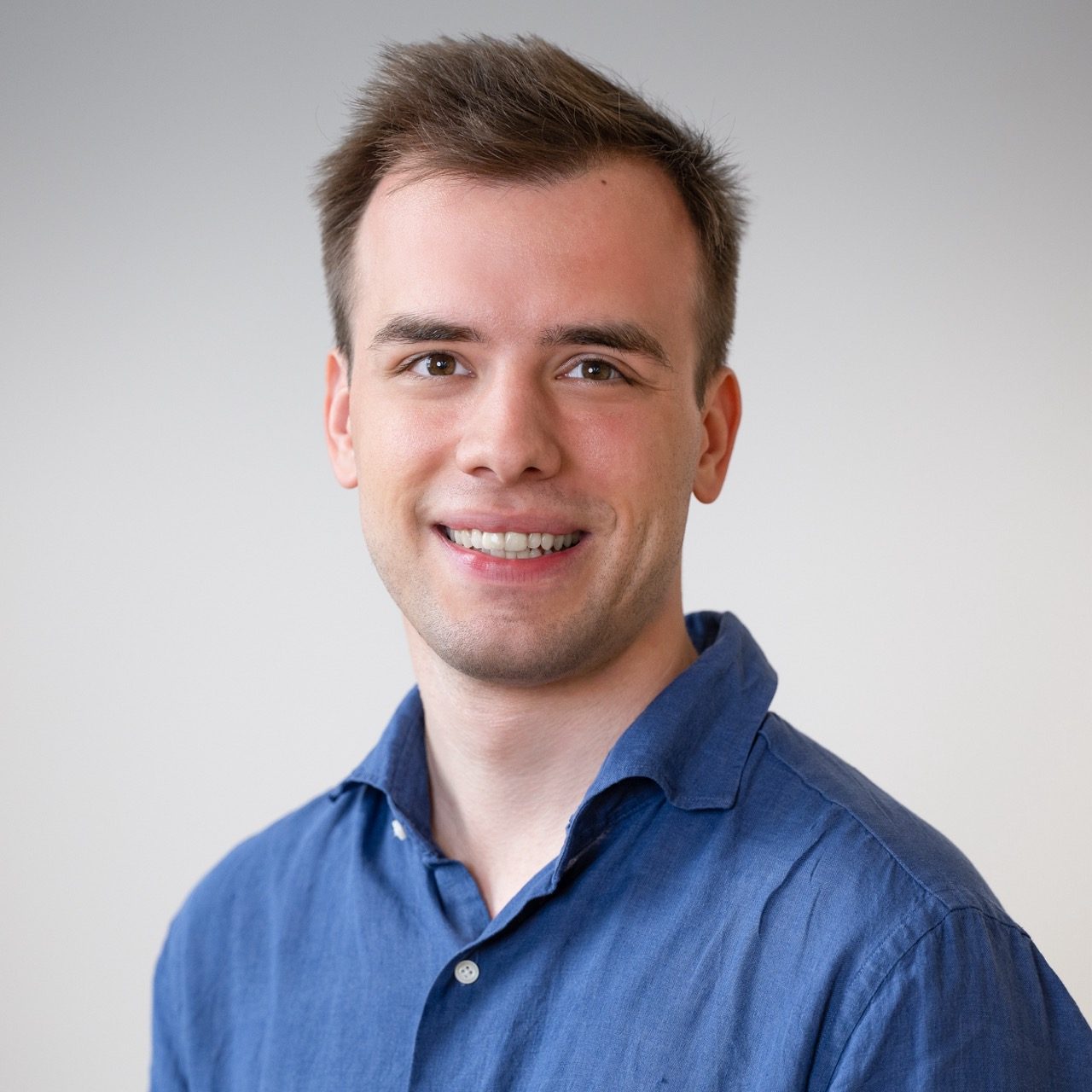
Dipl.-Ing. Rafael Vrecar, BSc
ÖAW DOC Fellow · CTSi & Human-Computer Interaction Group, TU Wien
Rafael Vrecar is a Human-Computer Interaction (HCI) researcher at TU Wien. His research focuses on perceived protection, that is, how protected people feel when using digital technologies and why this perception often differs from their actual level of protection. His doctoral project, Perceived Protection: Security, Safety, and Privacy as People Experience Them, is funded by a DOC Fellowship of the Austrian Academy of Sciences (ÖAW). His work is empirical and follows a mixed-methods approach, combining quantitative and qualitative research. He also develops prototypes to test specific hypotheses, often in collaboration with students.
He completed the bachelor's program in Software & Information Engineering and the master's program in Media and Human-Centered Computing at TU Wien, both with honors, as well as the Bachelor with Honors program. In addition, he completed two industry internships and spent more than four years tutoring over ten courses across three institutes. He currently teaches at several universities and has (co-)supervised several bachelor's and master's theses at different universities. His interest in security and privacy on Apple platforms is also reflected in his teaching.